3 or 4 Sewer Line: The Ultimate Guide to Understanding Your Home's Plumbing SystemConclusion
As a homeowner, you may not give much thought to your plumbing system until something goes wrong. One of the most important aspects of your home's plumbing is the sewer line. But did you know that there are two types of sewer lines? That's right, there are 3-inch and 4-inch sewer lines. In this ultimate guide, we'll cover everything you need to know about these two types of sewer lines.
Your home's plumbing system is an essential part of your daily life. Without it, you wouldn't have access to clean water, and your waste wouldn't be properly disposed of. However, many homeowners don't fully understand how their plumbing system works. One of the most critical components of your plumbing system is the sewer line. This is the pipe that carries waste from your home to the main sewer line.
The size of your sewer line is crucial, as it determines how much waste can flow through it at any given time. Most homes have either a 3-inch or a 4-inch sewer line. While both sizes serve the same purpose, there are some differences between them that homeowners should be aware of.
1. What is a sewer line?
A sewer line is the pipe that runs from your home's plumbing system to the main sewer line. It carries waste and wastewater away from your home and into the public sewer system.
Sewer lines are typically buried underground and can be made of various materials, including PVC, cast iron, and clay. They can also range in diameter from as little as 3 inches to as wide as 36 inches.
2. What is the difference between a 3-inch and a 4-inch sewer line?
The primary difference between a 3-inch and a 4-inch sewer line is the diameter of the pipe. A 3-inch sewer line has a diameter of 3 inches, while a 4-inch sewer line has a diameter of 4 inches.
The size of your sewer line is important because it determines how much waste can flow through it at any given time. A 4-inch sewer line can handle more waste than a 3-inch sewer line, which means it is better suited for larger homes or households with more people.
3. How do I know if I have a 3-inch or a 4-inch sewer line?
Determining the size of your sewer line can be challenging, as it requires accessing the pipes themselves. However, there are a few ways to tell which size you have.
One way is to look at your home's original building plans. These should indicate the size of the sewer line. Alternatively, you can contact a licensed plumber who can inspect your pipes and determine the size for you.
4. Can I upgrade my sewer line from a 3-inch to a 4-inch?
Yes, it is possible to upgrade your sewer line from a 3-inch to a 4-inch. This is a significant undertaking that involves replacing the existing sewer line with a larger one. It also requires excavating the area around the old sewer line, which can be costly and time-consuming.
However, upgrading to a 4-inch sewer line can be beneficial for larger homes or households with more people. It can prevent clogs and backups in your plumbing system, which can save you money on repairs in the long run.
5. What are the signs of a clogged sewer line?
A clogged sewer line can cause a host of problems in your home's plumbing system. Some common signs of a clogged sewer line include:
- Slow draining sinks, tubs, or toilets
- Gurgling sounds coming from your drains
- Foul odors emanating from your plumbing system
- Backups in your plumbing fixtures, such as toilets or sinks
If you notice any of these signs, it's important to contact a licensed plumber right away. A clogged sewer line can cause significant damage to your home's plumbing system if left untreated.
6. How can I prevent clogs in my sewer line?
Preventing clogs in your sewer line is essential for maintaining the health of your plumbing system. Here are some tips to help prevent clogs:
- Avoid flushing anything other than toilet paper and human waste down your toilet
- Use a drain strainer in your sinks and tubs to catch hair and other debris
- Don't pour grease or oil down your drains
- Have your sewer line inspected regularly by a licensed plumber
By following these tips, you can help prevent clogs in your sewer line and avoid costly repairs.
7. How often should I have my sewer line inspected?
It's a good idea to have your sewer line inspected at least once every two years. This allows a licensed plumber to identify any potential problems before they become major issues.
However, if you notice any of the signs of a clogged sewer line (as mentioned in section 5), it's important to contact a plumber right away. Waiting too long can cause significant damage to your home's plumbing system.
8. What are the benefits of regular sewer line maintenance?
Regular maintenance of your sewer line can provide several benefits, including:
- Preventing clogs and backups in your plumbing system
- Extending the lifespan of your sewer line
- Saving money on repairs in the long run
- Maintaining the health of your plumbing system
By having your sewer line inspected regularly and performing necessary maintenance, you can keep your plumbing system running smoothly for years to come.
9. What should I do if my sewer line needs repairs?
If your sewer line needs repairs, it's essential to contact a licensed plumber right away. Attempting to fix the problem yourself can cause more harm than good and may even result in injury.
A licensed plumber will be able to assess the problem and provide you with an estimate for repairs. They can also recommend preventative measures to help prevent future problems from occurring.
10. How much does it cost to repair a sewer line?
The cost of repairing a sewer line can vary depending on several factors, including:
- The extent of the damage
- The location of the damage
- The type of sewer line
- The cost of labor in your area
On average, homeowners can expect to pay between $2,500 and $4,000 for sewer line repairs. However, costs can range from as little as $1,000 to as much as $10,000 or more, depending on the severity of the problem.
Your home's sewer line is one of the most important components of your plumbing system. Understanding the differences between a 3-inch and a 4-inch sewer line can help you make informed decisions about your home's plumbing needs.
By following the tips in this guide, you can help prevent clogs and backups in your plumbing system and maintain the health of your sewer line for years to come.
Frequently Asked Questions
Q1. How long does a sewer line last?
The lifespan of a sewer line can vary depending on several factors, including the material it's made of and how well it's maintained. Most sewer lines last between 50 and 100 years.
Q2. Can tree roots damage a sewer line?
Yes, tree roots can damage a sewer line by growing into the pipes and causing clogs or backups. It's important to have your sewer line inspected regularly to identify any potential problems before they become major issues.
Q3. What is a sewer scope inspection?
A sewer scope inspection is a process in which a licensed plumber uses a specialized camera to inspect the inside of your sewer line. This is an effective way to identify any potential problems, such as cracks or clogs, before they become major issues.
Q4. Can I clean my sewer line myself?
No, attempting to clean your sewer line yourself can cause more harm than good and may even result in injury. It's essential to contact a licensed plumber if you suspect that your sewer line needs cleaning or repairs.
Q5. How do I know if my sewer line needs repairs?
Some common signs of a damaged sewer line include slow draining sinks or toilets, foul odors emanating from your plumbing system, and gurgling sounds coming from your drains. If you notice any of these signs, it's important to contact a licensed plumber right away.
Q6. What causes sewer line backups?
Sewer line backups can be caused by several factors, including clogs, damage to the sewer line, and tree roots growing into the pipes. Regular maintenance and inspections can help prevent backups from occurring.
Q7. How do I locate my sewer line?
Your home's sewer line is typically located outside of your home and can be identified by a cleanout pipe or manhole cover. A licensed plumber can also help you locate your sewer line if necessary.
Q8. Can I replace my sewer line without digging up my yard?
Yes, it is possible to replace your sewer line without digging up your yard. Trenchless sewer line replacement is a method in which a new pipe is inserted into the old one, eliminating the need for excavation.
Q9. What is the best material for a sewer line?
The best material for a sewer line depends on several factors, including your budget and the location of your home. PVC is a popular choice due to its durability and affordability, while cast iron is a more expensive but long-lasting option.
Q10. How can I tell if my sewer line is leaking?
Some common signs of a leaking sewer line include foul odors emanating from your plumbing system, wet spots in your yard, and an increase in your water bill. If you suspect that your sewer line is leaking, it's important to contact a licensed plumber right away.
11 3 or 4 sewer line Images

Pin On Design

DIY PVC Sewer Hose Support For 30 An RV Home Goodies Pinterest

Pin On SHOWER ROUGH IN PLUMBING

Image Result For City Sewer System Water Drainage System Drainage

Typical Sewer Line Connection To Chamber Section Drawing DWG File

NDS 5in Pro Channel Drains And Grates 40in L X 5in W Channel Drain
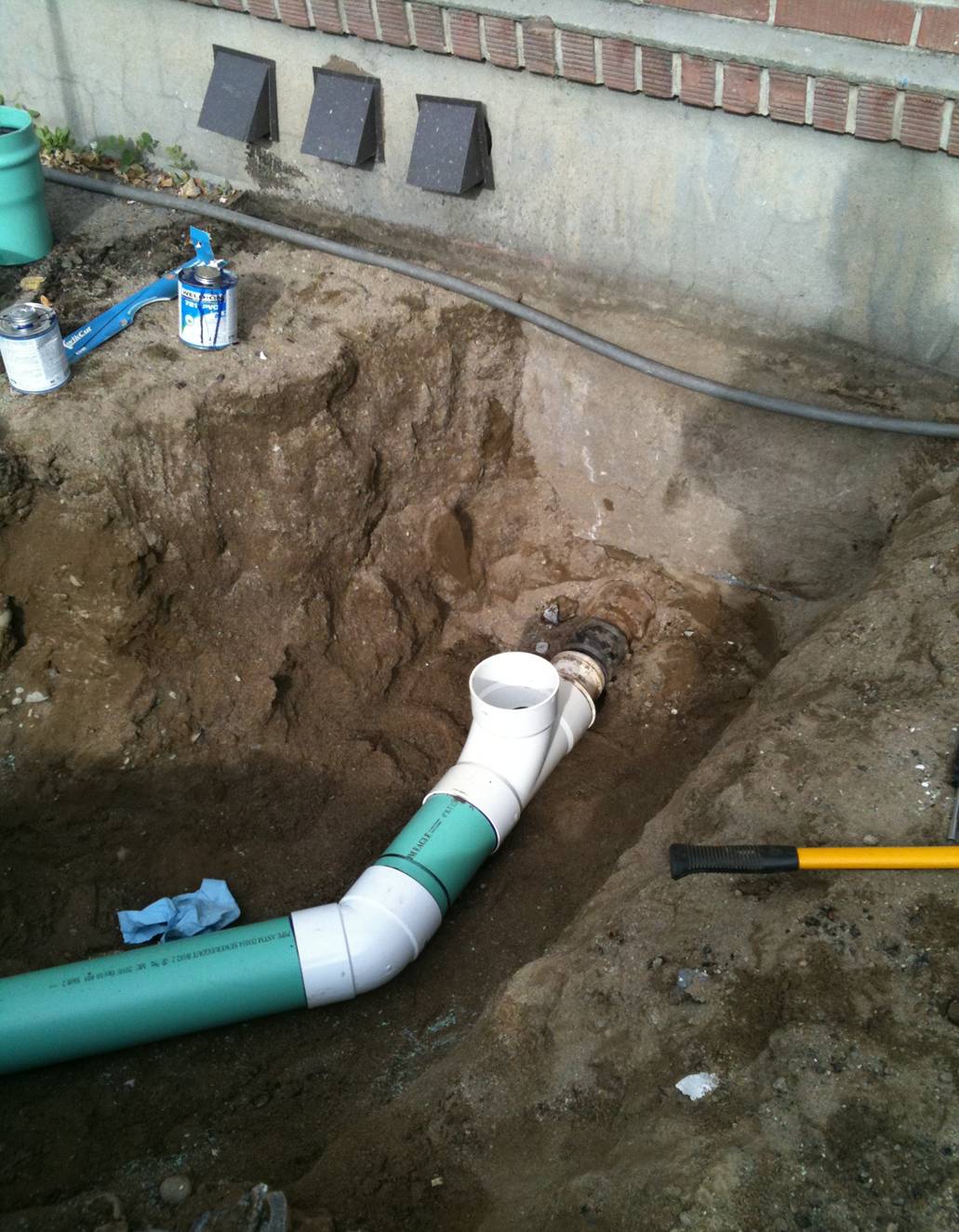
Pin On Water Line Services

Be Sure To Get A Sewage Hose With A Bayonet Fitting It Is The Law

1000 Images About Stars Without A Number On Pinterest Pistols

PEX Tubing Radiant Heating Manifolds Plumbing Radiant Heat Pex

NDS 12 Two Hole Catch Basin Kit W Galvanized Metal Grate Galvanized
Post a Comment for "3 or 4 Sewer Line: The Ultimate Guide to Understanding Your Home's Plumbing SystemConclusion"