Alocasia Leaves Curling: Causes, Prevention, and TreatmentConclusion
If you're a plant enthusiast, you know how heartbreaking it is to see your beloved plants wither and suffer. Alocasias are no exception. One of the common problems that plant lovers encounter is when their Alocasia leaves to curl.
Don't worry, though! In this article, we'll delve into the reasons why Alocasia leaves curl and what you can do about it. Sit tight and read on!
Understanding Alocasia Plants
Before we get into the causes and remedies for curled Alocasia leaves, let's first understand what this plant is all about. Alocasias, also known as elephant ears, are a group of tropical plants native to Asia and Eastern Australia. They belong to the Araceae family, which includes other popular houseplants like philodendrons and peace lilies.
Alocasia plants are prized for their striking foliage, which comes in various shapes and colors. Their leaves can grow up to 3 feet long and 2 feet wide, making them an excellent statement plant for any home. However, Alocasias can be a bit finicky, requiring specific care conditions to thrive.
Now that we have a brief background on Alocasia plants let's dive into the main topic.
Possible Reasons Why Your Alocasia Leaves Are Curling
Overwatering
Overwatering is one of the most common reasons why Alocasia leaves curl. When you overwater your plant, the excess moisture can cause the roots to rot, leading to poor nutrient absorption. As a result, the leaves will to curl up, turn yellow, and drop off.
To remedy this, make sure to water your Alocasia plant only when the top inch of soil is dry. Also, ensure that your pot has proper drainage to prevent water from sitting in the bottom.
Underwatering
On the other hand, underwatering your Alocasia can also cause the leaves to curl. When a plant lacks water, it tries to conserve moisture by rolling up its leaves.
To avoid this problem, make sure to water your Alocasia plant regularly and consistently. Check the soil moisture level by sticking your finger about an inch deep into the soil. If it feels dry, it's time to water your plant.
Low Humidity
Alocasias thrive in high humidity environments, so if you live in a dry climate, your plant might be suffering. Low humidity levels can cause the leaves to curl and turn brown at the edges.
To increase the humidity around your plant, you can use a humidifier or place a tray of water near it. You can also mist the leaves with water daily to help keep them moisturized.
Pests Infestation
Pests like spider mites, mealybugs, and scale insects can wreak havoc on your Alocasia plant. They feed on the plant's sap, causing the leaves to curl, wilt, and turn yellow.
To get rid of these pests, you can use insecticidal soap or neem oil. Make sure to follow the instructions carefully and repeat the treatment every few weeks until the pests are gone.
Temperature Stress
Alocasias prefer warm temperatures ranging from 60 to 85 degrees Fahrenheit. If the temperature drops below 60 degrees or rises above 85 degrees, the plant may show signs of stress like curled leaves.
Make sure to position your Alocasia plant in a spot with consistent temperature and away from cold drafts or direct heat sources.
Nutrient Deficiency
Alocasias need specific nutrients to grow healthy and beautiful leaves. If your plant is not getting enough nutrients, the leaves may to curl and turn yellow.
To provide your Alocasia with the right nutrients, you can use a balanced fertilizer specifically formulated for tropical plants. Apply it every two to three weeks during the growing season.
Root Bound
If your Alocasia plant has been in the same pot for a long time, its roots may become bound and unable to absorb water and nutrients adequately. This can cause the leaves to curl and turn yellow.
To remedy this, repot your Alocasia plant into a larger container with fresh soil. Make sure to loosen the roots gently before transferring them to the new pot.
Natural Growth Habit
Lastly, it's essential to know that some Alocasia species have naturally curly leaves as part of their growth habit. For instance, the Alocasia cucullata plant has curled leaves, which is just normal for this species.
How to Prevent Alocasia Leaves from Curling
Now that you know the common reasons why Alocasia leaves curl let's talk about how to prevent this problem from occurring in the first place.
- Water your Alocasia plant consistently and only when the top inch of soil is dry.
- Increase humidity around your plant by using a humidifier or placing a tray of water near it.
- Avoid over-fertilizing your Alocasia plant, as this can cause salt buildup in the soil.
- Keep your plant away from cold drafts and direct heat sources.
- Use well-draining soil and a pot with proper drainage holes.
- Repot your plant every few years to prevent root binding.
How to Treat Curled Alocasia Leaves
If your Alocasia leaves are already curled, don't fret! Here are some ways to treat this problem:
- Identify the cause of the curling and address it accordingly.
- Prune off any severely damaged leaves to encourage new growth.
- Use a humidifier or mist the leaves with water to increase humidity levels.
- Apply a balanced fertilizer to provide your plant with the right nutrients.
- Repot your Alocasia plant if it's root-bound.
- If pests are the problem, use insecticidal soap or neem oil.
Frequently Asked Questions
Q1. Why do Alocasia leaves curl up?
A1. Alocasia leaves may curl up due to overwatering, underwatering, low humidity, pest infestations, temperature stress, nutrient deficiency, root binding, or natural growth habit.
Q2. How do you fix curled Alocasia leaves?
A2. To fix curled Alocasia leaves, identify the cause of the problem and address it accordingly. You can prune off damaged leaves, increase humidity levels, apply fertilizer, repot your plant, or use insecticidal soap or neem oil to get rid of pests.
Q3. Is it normal for Alocasia leaves to curl?
A3. Some Alocasia species have naturally curly leaves as part of their growth habit. However, if your Alocasia leaves suddenly to curl, it may be an indication of a problem that needs addressing.
Q4. Can over-fertilizing cause Alocasia leaves to curl?
A4. Yes, over-fertilizing can cause salt buildup in the soil, which can lead to nutrient deficiency and curled leaves.
Q5. How often should I water my Alocasia plant?
A5. Water your Alocasia plant when the top inch of soil is dry. Depending on the humidity level and temperature, you may need to water it once or twice a week.
Q6. What kind of soil is best for Alocasia plants?
A6. Alocasia plants prefer well-draining soil that is rich in organic matter. You can use a mix of peat moss, perlite, and potting soil to create the perfect growing medium.
Q7. Can too much sunlight cause Alocasia leaves to curl?
A7. Direct sunlight can burn Alocasia leaves, causing them to curl up. Make sure to place your plant in a spot with bright, indirect light.
Q8. How do I increase humidity levels around my Alocasia plant?
A8. You can use a humidifier or place a tray of water near your plant to increase humidity levels. Misting the leaves with water daily can also help.
Q9. Why are my Alocasia leaves turning yellow?
A9. Alocasia leaves may turn yellow due to overwatering, underwatering, nutrient deficiency, pest infestations, or temperature stress.
Q10. How do I prevent pests from infesting my Alocasia plant?
A10. To prevent pests from infesting your Alocasia plant, make sure to inspect it regularly for signs of infestation. You can also use neem oil or insecticidal soap as a preventive measure.
Alocasia plants are beautiful additions to any home or garden. However, like any other plant, they require specific care conditions to thrive. If you notice that your Alocasia leaves are curling, don't panic. By identifying the cause of the problem and addressing it accordingly, you can bring your plant back to its healthy state.
Remember always to give your Alocasia plant the love and attention it deserves, and it will reward you with stunning foliage that you can be proud of.
13 Alocasia leaves curling Images

Alocasia Zebrina Plant Leaves Plants Leaves

Pin By Russ On Alocasia Plant Leaves Tropical Garden Horticulture
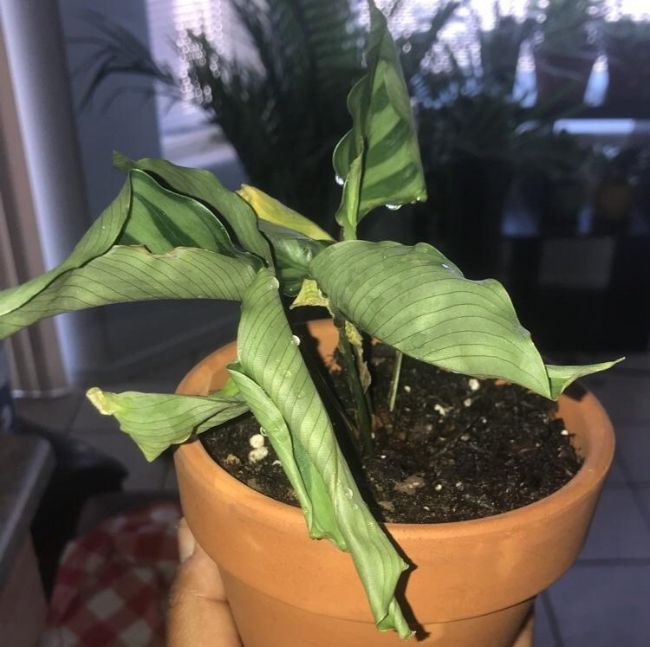
Why Are My Calathea Leaves Curling Causes And Solutions Smart Garden Guide In 2021

17 Best Images About Elephant Ears On Pinterest Gardens Mojito And Plants

Alocasia Reginula Black Velvet

Alocasia Reginula Black Velvet

Alocasia Plant Leaves Plants Leaves

Alocasia Frydek Indoor Vines Unusual Plants Cool Plants

Alocasia Reginula Black Velvet Alocasia Reginula Alocasia Plant Alocasia Black Velvet

Tropical Alocasia Leaf Design Element Free Image By Rawpixelcom Teddy Rawpixel Leaf

Alocasia Frydek Plant Leaves Plants Garden

Alocasia Varieties XL Etsy In 2021 Plant Identification Plant Identification Chart

Alocasia Species Varieties Tropical Leaves Plant Illustration Botanical Urban Jungle Home
Post a Comment for "Alocasia Leaves Curling: Causes, Prevention, and TreatmentConclusion"